NEW Federal Government legislation reduces the cost of Pharmaceutical Benefits Scheme (PBS) prescriptions from 1 January.
Under the changes, the maximum PBS co-payment falls to $25, down from $31.60, easing pressure on household budgets.

The legislation follows advocacy from more than 20 health and community organisations, including the Pharmacy Guild of Australia, Patients Australia, Asthma Australia, Family Planning Alliance Australia and QENDO.
Federal Member for Cowper Pat Conaghan welcomed the change and noted the bipartisan support behind the legislation.
“It’s great to see all sides of Government in agreement that improving access and affordability of medicine is a top priority.
“This was one of the first pieces of legislation to pass parliament after the election,” Mr Conaghan stated.
He also emphasised the importance of protecting regional pharmacy services.
“And importantly, it doesn’t come at the expense of the community pharmacist.
“In the regions where access to primary care providers can be challenging, maintaining a healthy network of community pharmacies is imperative.”
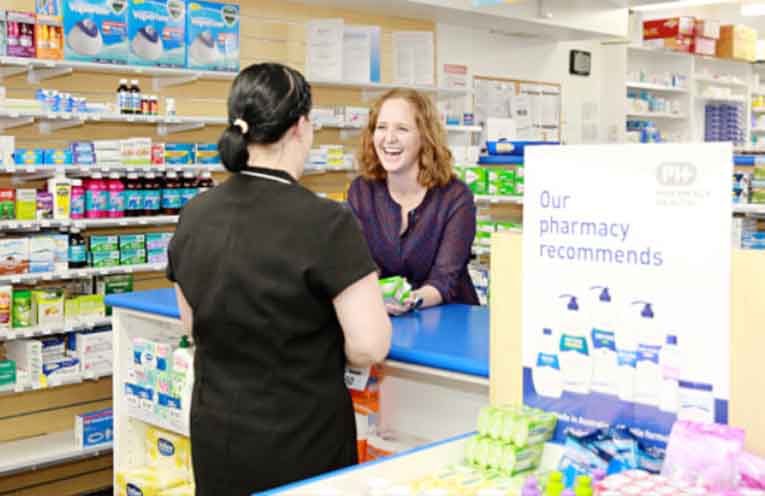
Melinda Dalton, co-owner of Flynns Beach Pharmacy, said the changes will have a direct impact on patients who have been struggling to manage rising costs.
“That’s a pretty substantial drop down to $25,” she said.
“We see customers come in with piles of scripts and they’re deciding which ones will get filled… or which ones they will delay until they can afford it.
“So that means they’re either delaying refilling repeats for medications for their chronic illnesses, or even delaying starting initiation of treatment for acute conditions like infections and things because they just can’t afford the medication.
“Reducing the copayment will enable people to not have to make that decision on what can wait, what medicines can wait, and which ones they continue to take.
“So that should bring that relief back to the community.”
Melinda stated that if pharmacists can treat acute conditions, patients will be kept out of GP surgeries.
“We get lots of people coming in needing to see doctors that have travelled or have acute conditions,” she said.
“Keeping those people out of hospitals and out of GP surgeries… allowing pharmacists to work to their full scope does benefit and cross over into the community.”