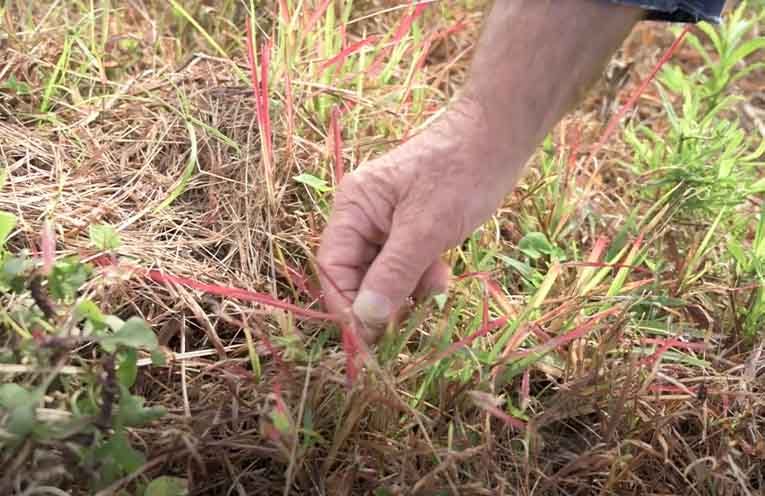
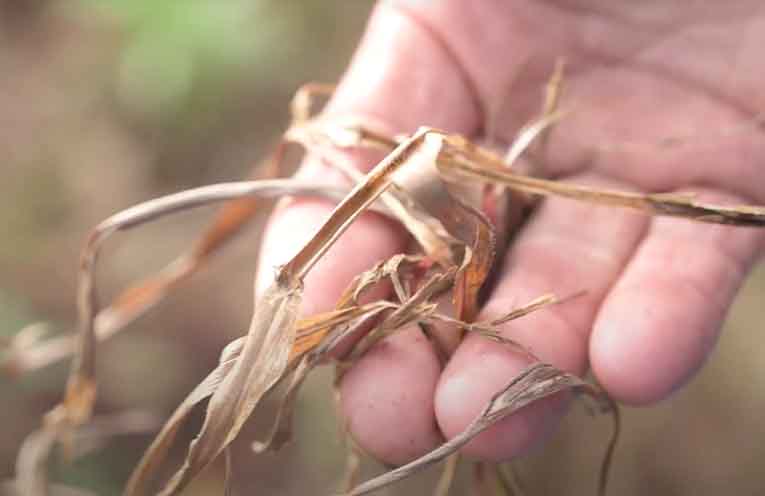
THE region’s producers are being urged to report any sign of pasture dieback this Summer to the Department of Primary Industries, following detections in the North Coast and Hunter.
Pasture dieback is a destructive condition that targets summer-growing grasses such as kikuyu, paspalum, buffel grass and sabi grass.

Pasture dieback typically begins as small patches but can rapidly expand, devastating pastures and paving the way for invasive broadleaf weeds to take hold.
It is not limited by landscape or soil type.
NSW Department of Primary Industries and Regional Development (NSW DPIRD) Pastures Development Officer Sarah Baker, said early detection and reporting are key to managing its spread and protecting valuable grazing land.
“Pasture dieback has been found in Northern NSW, with new detections in the Hunter Valley and Werris Creek earlier this year,” Ms Baker said.
“It’s important to be monitoring pastures for anything unusual, for example pastures not responding as expected to recent rainfall.
“Keep an eye out for unhealthy plants with red, yellow and/or purple discoloured leaves surrounding patches of dead grasses.
“Reporting suspected pasture dieback is critical to help us understand the spread and impact of this condition.
“Early detection allows us to monitor affected areas, support landholders with management strategies, and coordinate research efforts to find long-term solutions.
“The more information we have, the better we can respond and protect our pasture systems now and into the future.”
The presence of pasture mealybug (Heliococcus summervillei) is associated with this condition.
Mealybugs are white and only a few millimetres in size. Their populations are at their highest in autumm.
Ms Baker said a number of diseases and pests can look similar to dieback, such as, kikuyu yellows, armyworm, nutrient deficiencies and herbicide damage, which can all negatively impact pastures.
“Producers can continue to maintain production with broadleaf species, including legumes, chicory and brassicas, which are not affected by dieback.
“Re-sowing perennial summer-growing grasses, like kikuyu, into dieback-affected areas is not recommended.”
Not all unhealthy grass is a result of pasture dieback, which is why landholders are advised to contact Local Land Services (LLS) on 1300 795 299 for advice and support.
Producers can also report pasture dieback through the Exotic Plant Pest hotline on 1800 084 881, via email to biosecurity@dpi.nsw.gov.au with a clear photo and contact details, or complete the online reporting form.