IN March this year, Kerry Baxter reached a turning point.
He had been self-medicating with alcohol, and this increased after he lost both of his parents to cancer.
Mr Baxter, married with a loving wife and two children, experienced an acute period of crisis.
This made him realise he had to make changes.
Born in New Zealand, Mr Baxter joined the local Fire Service there at the age of 18 as a volunteer. His time in the service was traumatic: he saw things that he still finds difficult to talk about.
Almost half of all Australian men experience a mental health disorder in their lifetime. Men make up 75 per cent of suicides.
Mr Baxter vowed never to become a statistic and began a journey to overhaul his mental and physical health.
“I reached a point where I simply couldn’t hold it together anymore”, Mr Baxter said.
“My last breakdown made me realise how much I’d been carrying on my own and how much I’d been struggling behind the scenes – even when I tried to hide it.”
Mr Baxter said he didn’t want to keep living that way.
“I owed it to myself and my family to give recovery a real chance, one day at a time,” he said.
“My wife and family have been incredibly supportive. I owe them so much – especially my wife – who has stood by me through it all.”
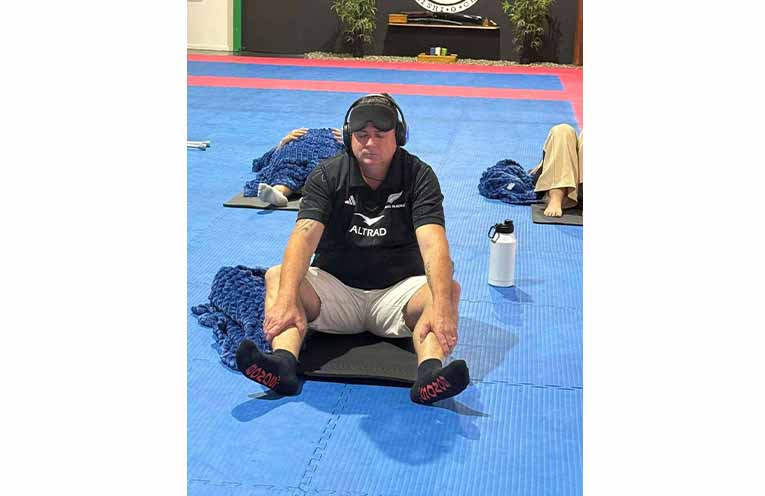
His self-care routine now includes therapy, ice baths, breath work, and physical activities with local Men’s group Self Seen.
October is Mental Health Month. This year’s theme is ‘Together We Thrive’.
It aims to raise public awareness, reduce the stigma around mental illness, promote everyday wellbeing, and encourage people to seek help or check in on others who may be struggling.
Support is available from Lifeline (131114) and the Suicide Call Back Service (1300 659 467), which offers free, 24-hour counselling for people experiencing suicidal thoughts or affected by suicide, or from Beyond Blue (1300 22 4636) for 24-hour mental health support.
By Rachael THORPE