This is the second in a two-part series devoted to this topic.
SOME questions worth asking
This is where I think recreational fishers are entitled to ask some genuine questions.
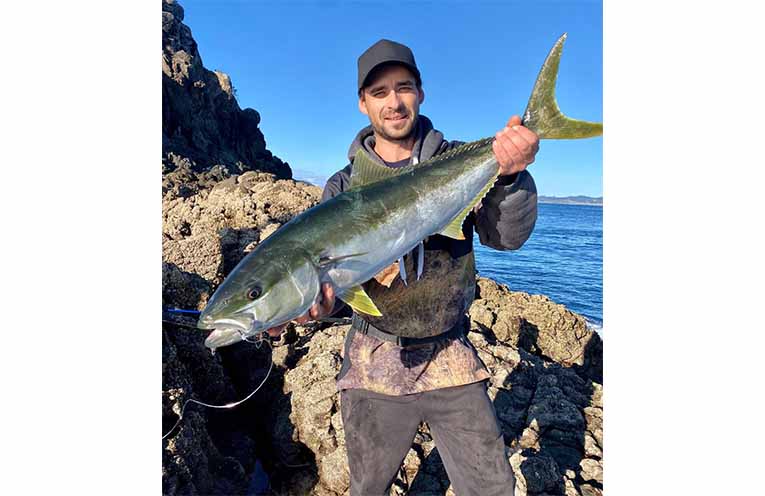
From my own experience fishing on the Mid North Coast, kingfish numbers in recent years appear to be as good as I can remember. That certainly doesn’t prove the broader eastern Australian stock is healthy, and what we see in one region may not reflect what is happening across the entire fishery.
But when anglers are being told that the number of spawning-size female kingfish is estimated to be just 5.5 per cent of the unfished level, while many are seeing good numbers of fish locally, it is reasonable to want to better understand how that figure was reached and what it means for the fishery we see on the water.
How accurately can we estimate the number and size structure of kingfish currently in the broader population? Perhaps more importantly, how do we estimate what that population looked like at an “unfished” level, long before we had the monitoring and data collection systems available today?
That doesn’t mean the assessment is wrong. Fisheries scientists use modelling and the best information available to estimate stock levels.
But when decisions based on those estimates could result in something as restrictive as one kingfish per boat, anglers deserve to understand the methodology, the uncertainty around the numbers, and how confident we can be in the conclusions. The acknowledged knowledge gaps around kingfish movements and the mixing of fish between different areas make those questions even more important.
However, there is another side to this argument and recreational fishers need to acknowledge it.
We don’t have perfect information about our own catches either. DPIRD does have information on recreational catches, including data from phone surveys, boat-ramp surveys, charter records and tagging programs.
None of these methods gives us a perfect picture on its own, but together they provide valuable information that can be used in stock assessments.
I’m not convinced compulsory recreational catch reporting is the solution. I understand the need for better information on what is being caught, but there is already a level of distrust between many recreational fishers and the department.
That raises another question: would compulsory reporting actually produce reliable information?
Some anglers may report accurately, while others may forget, underestimate their catch or simply choose not to provide accurate information.
For me, the real question is how we can improve the quality of recreational catch information while also building greater trust between fishers and the department.
If fisheries management is going to increasingly rely on biomass estimates, tonnage limits and allocations between recreational and commercial sectors, then surely having better information about the actual recreational harvest should be part of that process.
Accurate reporting would not solve every problem. It wouldn’t tell us exactly how many fish are swimming in the ocean, and there would still be questions around natural mortality, recruitment, migration and environmental conditions. But better recreational catch information could give DPIRD and recreational fishers a stronger set of numbers to work with.
That is one of the bigger issues raised by these proposals. It should not simply become an argument about whether recreational fishers want tighter or looser rules. We should also be asking whether the information being used to make those decisions is robust enough and what can be done to improve it.
HAVE your say
Harvest strategies are an important tool for managing our fisheries, particularly when there are concerns about declining fish numbers. At the same time, changes to fishing rules can have a very real impact on recreational anglers, charter operators, commercial fishers and the coastal communities that rely on fishing.
That is why it is important for anglers to look beyond social media discussions and hearsay and take the time to understand what is actually being proposed.
The consultation on both the Snapper and Yellowtail Kingfish Harvest Strategies is open until 18 October 2026. Whether you agree with the proposed changes, have concerns about parts of the plans, question some of the assumptions being used, or simply want more information before making up your mind, this is the opportunity to provide feedback directly to DPIRD online.
Our fisheries are a shared resource and good management needs good information as well as input from the people who fish and care about them.
If you regularly target snapper or yellowtail kingfish, I encourage you to take the time to read the draft strategies and complete the consultation survey. Whatever your view, having your say is one of the best ways to make sure the recreational fishing community is part of the conversation about the future of these iconic fish.
By Kate SHELTON