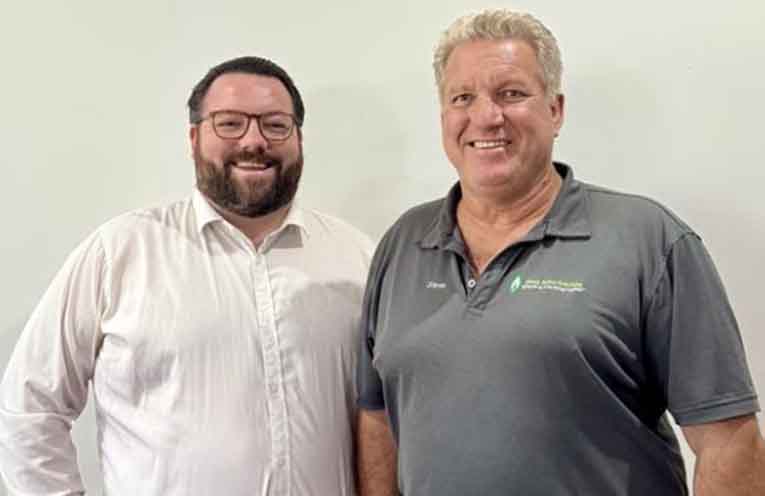
THE Camden Haven Chamber of Commerce has called on the Premier to “take decisive action” and uphold the NSW Government’s pre-election commitment to support the timber industry while developing the Great Koala National Park (GKNP).
In September, the NSW Government announced the proposed boundaries of the GKNP, extending from Kempsey to Grafton, along with a moratorium on timber harvesting within it.
The move has impacted timber mills throughout the Mid North Coast and beyond, with significant job losses expected at the Pentarch Forestry mill at Herons Creek.
In a statement to media, the local Chamber of Commerce said it has been contacted by concerned members and businesses directly affected by the moratorium, as well as from those supplying goods and services that support the forestry industry.
President Luke Hadfield said the local business body recognises the “longstanding and important contribution of the timber industry to the economic development and prosperity of our region”.
“Our members recognise that the timber harvesting moratorium is causing wide ranging impacts on local business, employment and industry,” Mr Hadfield said.
“Many people have expressed frustration and anger, reporting… the government has failed to consult them.
“They believe the community has been excluded from the process and the government has opted to focus on environmental lobby groups, rather than genuine grassroots engagement with the local community and business groups in tried and tested ways such as round tables and town hall meetings.”
Forestry industry leaders shared insights on the implications of the moratorium during a recent meeting with Chamber representatives.
Timber NSW CEO Maree McCaskill said the “ripple effect” will be devastating on communities.
“Skilled workers lose their jobs, and local economies suffer immediate and long-lasting consequences,” she said.
“However, the demand for hardwood remains, forcing a reliance on imported timbers from countries with lower standards, both environmental and quality.
“These imports drive up the cost in all sectors of the economy, and no one is immune from these price hikes.”
Acknowledging environmental concerns, Ms McCaskill believes the industry can operate sustainably while “protecting the natural ecology of all animals, including koalas”.
“Supporting our industry means backing both the environment and jobs, and we can achieve both,” she said.
“Supporting timber doesn’t mean you’re against the environment or anti-koala.”
Forest and Wood Communities Australia Chair Steve Dobbyns agreed, noting a level of misunderstanding among society about forestry methods.
“Many wrongly believe that all trees are cut down, leaving nothing behind,” he said.